

What Evidence Can Be Used Against You in a Virginia DUI Case?

By bainsheldon
Facing a DUI charge in Virginia is stressful, and knowing what DUI evidence prosecutors may rely on can help you understand what lies ahead. From the moment an officer initiates a traffic stop, they begin gathering evidence through observation, testing, and documentation. A closer look at that evidence can reveal details that deserve further scrutiny.
Officer Observations and Driving Behavior
Police officers document their observations from the very beginning of a traffic stop. They note driving patterns such as swerving, speeding, or failure to maintain a lane, along with physical signs like the smell of alcohol, slurred speech, or bloodshot eyes. These details are typically recorded in an incident report and often form the foundation of the officer’s initial suspicion.
The interpretation of these observations can be subjective. Officers may misinterpret nervousness, fatigue, or medical conditions as signs of impairment. That makes the context behind an officer’s observations just as important as what appears in the report.
Field Sobriety Tests
Field sobriety tests, such as the walk-and-turn or one-leg stand, are designed to assess balance, coordination, and the ability to follow instructions. Officers are trained to administer these tests according to specific protocols established by the National Highway Traffic Safety Administration.
However, factors like uneven pavement, poor weather, improper footwear, or underlying medical conditions can affect performance regardless of impairment. When field sobriety tests are not administered correctly, or when external conditions are not accounted for, the reliability of the results may be called into question.
DUI Breath Test Evidence
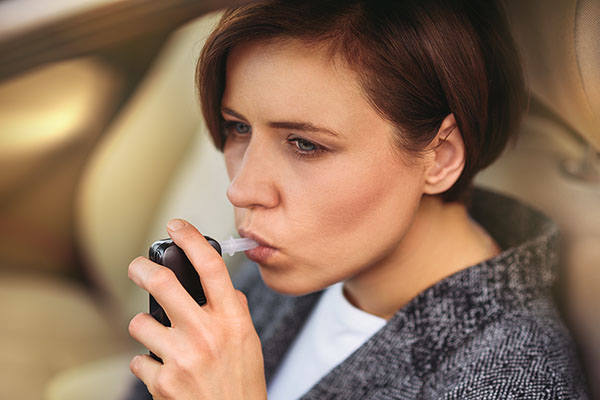
Breath testing can occur at different stages of a DUI investigation. A preliminary breath test may be used during the roadside investigation and can factor into whether an officer has probable cause for an arrest, but under Virginia law, the result of that preliminary test is not admissible as evidence in the DUI prosecution itself. After an arrest, a separate breath test may be administered under Virginia’s implied consent law, and those results may be used as evidence.
Evidentiary breath testing depends on properly maintained equipment and correct administration. We often examine maintenance logs, calibration records, and officer certification to determine whether the DUI breath test was conducted properly and whether the results should be considered reliable.
Blood Alcohol Test Results
In certain circumstances, law enforcement may obtain a blood sample rather than relying solely on breath testing. Blood testing may be used when a breath test is unavailable or a person is physically unable to provide a breath sample, as well as in certain cases involving suspected drug impairment.
Virginia law establishes procedures for how DUI blood samples are collected, handled, and analyzed. Issues involving the chain of custody, testing process, or storage may raise questions about the reliability or admissibility of the results. We review these records closely to assess whether the blood alcohol test was handled appropriately from start to finish.
Other Evidence Prosecutors May Use
Beyond testing, prosecutors may also introduce dashboard and body camera footage capturing the stop and arrest, statements made by the driver, witness accounts, and even medical records if injuries were involved. Expert testimony may also be used to interpret test results or explain physiological responses.
None of this evidence is automatically conclusive simply because the prosecution intends to rely on it. Testing procedures, officer conduct, video footage, and surrounding circumstances can all affect how this evidence is interpreted.
How We Challenge DUI Evidence
Our approach begins with a detailed review of every piece of DUI evidence gathered against you. We carefully evaluate breath and blood alcohol test results, scrutinize police procedures for constitutional or administrative errors, and assess whether field sobriety tests were properly conducted.
Problems with testing, police procedures, or an officer’s observations can change how the evidence should be viewed. We look for those issues rather than taking the prosecution’s evidence at face value. Our role as DUI defense attorneys is to analyze the evidence and challenge the state’s case when the facts or procedures warrant it.
You Have Options
The evidence collected during a DUI investigation does not tell the whole story on its own. Officer observations, breath and blood test results, video footage, and other evidence should be considered in the context of the entire investigation.
If you are facing a DUI charge in Virginia, let us help you understand the evidence against you and what it could mean for your defense. Contact Bain Sheldon, at 804-282-8625 today to discuss your case.
Subscribe
Login
0 Comments
Oldest